

This memo has nothing to do with a balance change due to cash withdrawal with checks or debit cards. When a debit memo is issued, the seller’s accounts receivable increase, and the buyer’s accounts payable go up. A credit memo does the reverse – it reduces the seller’s receivables and the buyer’s payables.
- Managing these memos effectively is essential for maintaining accurate financial records and ensuring the integrity of the reconciliation process.
- Understanding the content of a debit memo can be challenging, especially for beginners.
- It is used to communicate adjustments, corrections, charges, or penalties related to a transaction between business partners.
- After the invoice is sent, the building contractor are asked to also install a new dishwasher, so a debit note is issued to effectively add on this extra charge to the initial invoice.
- While the conceptual difference between debit and credit memos is straightforward, it helps to see the contrast laid out side by side.
- It’s important for buyers and sellers to keep accurate records in case there’s a dispute about whether or not a reversal occurred.
Key Differences Between Credit Memos and Debit Memos
- These fees are often itemized, and the customer is expected to pay them along with the original amount owed.
- They represent an adjustment to a bank account and can often be a source of confusion for both individuals and businesses.
- The vendor usually asks for the money to be paid right away and there might be late fees.
- Never forget to regularly review and audit the debit memo transactions.
- A debit memo isn’t just a software entry or document – it’s a formal accounting tool that must stand up to audits and internal scrutiny.
- A debit memorandum is a formal notice or document issued by a bank, business, or individual to indicate a decrease in the balance of an account.
In business-to-business transactions, a company issues a credit note to the buyer to amend an incorrect invoice, acknowledge the return of goods, or adjust the prices post-purchase. Depending on the scenarios, the credit note may reduce the full or partial amount that a buyer owes. A debit memo, also called a debit note, is a document issued by a seller to inform the buyer of an increase in the amount owed or a chargeback against the buyer’s account. However, in some cases, buyers can also issue a debit note to the seller when returning goods received on credit. A debit memo is issued by a seller to a customer, notifying it of an additional billing to the customer’s account.
Examples of When a Credit Memo Is Issued
In this section, we will provide insights and tips on how to handle debit memos with ease. We will explore different points of view and provide practical advice to help you manage debit memos effectively. Thirdly, the debit memo may contain additional charges or fees, such as shipping costs, taxes, or late payment fees. These fees are often itemized, and the customer is Payroll Taxes expected to pay them along with the original amount owed. In complaints processing, a credit memo request is a sales document used to rectify overcharged amounts for a customer. If pricing errors or forgotten discounts result in a high customer cost, a credit memo request is generated.
Maintain Records

ABC Manufacturing also informed XYZ Corp that their accounts payable balance would increase by $5,000 to rectify the billing error. This document ensured that both companies’ financial records accurately reflected the true value of the transaction, maintaining the integrity of their business relationship and accounting practices. The business notifies a customer that the debit memorandum will increase what they owe and change their accounts payable. They are a testament to the complexity and fluidity of business operations and the importance of meticulous financial management. Each of these reasons highlights the dynamic nature of business transactions and the need for a memo debit mechanism to ensure financial accuracy. For instance, consider a scenario where a company, XYZ Corp, orders 100 units of a product at $10 per unit.
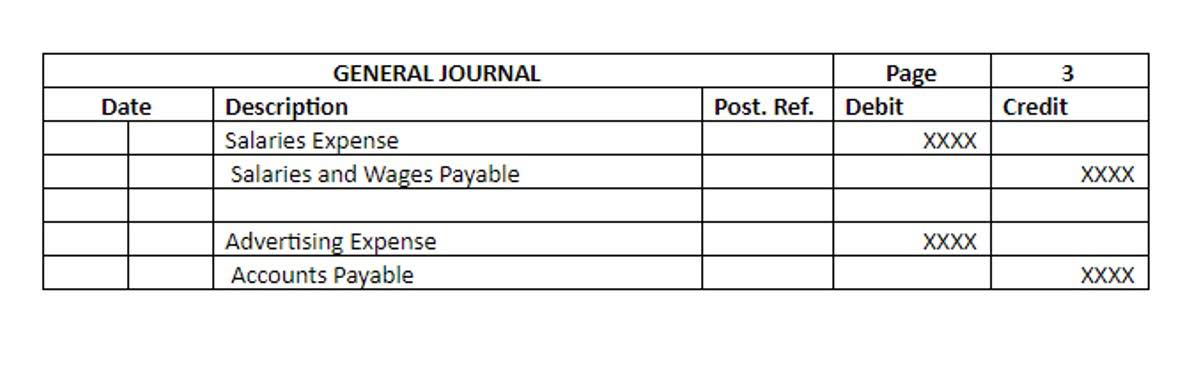

This document is useful for clarifying the nature of any corrections to an existing billing, or any additional charges or penalties being applied by the seller. In the event of a debit memo, the seller will record an increase in the accounts receivable amount; the buyer must record the larger debit in their accounts payable ledger. For a credit memo, the seller records a decrease in the accounts receivable amount while the buyer records a smaller debit from accounts payable. The company acting as the seller might issue a debit memo after sending an incorrect invoice. Doing so notifies the buying company that their accounts payable will increase to rectify the unpaid amount. Federal law requires banks to disclose any fees they might charge for a bank account; before opening a bank account online or in person, https://www.bookstime.com/ ask to see a detailed fee structure.
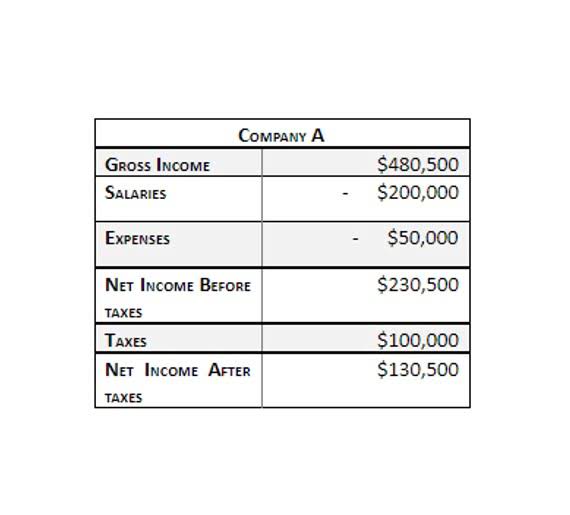

For instance, a vendor correcting an undercharge would debit Accounts Receivable and credit Sales Revenue for the amount of the correction. The function of a debit memo changes significantly when it is issued by a financial institution to its account holders. In the banking context, the memo is a notification that the bank has initiated a transaction that reduces the customer’s cash balance. This reduction is automatic and does not require the customer’s prior approval for the specific transaction. Before issuing a credit or debit memo, try to resolve any issues directly with the customer or supplier involved.